
Pollarding is a professional pruning method that reduces a tree’s overall height by removing the upper limbs, encouraging a neat, well-managed canopy and controlled regrowth. This process enhances safety, improves visual appeal and supports easier long-term maintenance.
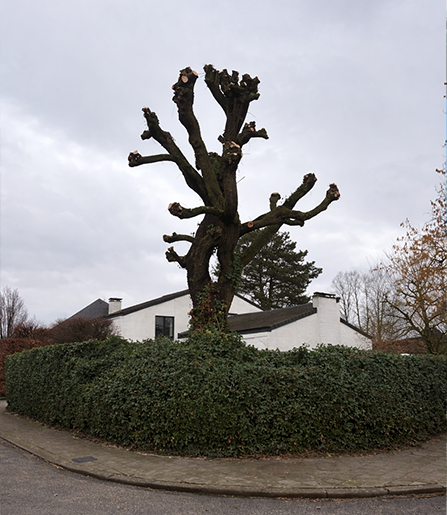
Tree pollarding is not heavy pruning. It’s a structured, long-term management technique that controls size, reduces risk and creates predictable regrowth.
When carried out properly, tree pollarding in Norfolk can extend a tree’s lifespan by decades. When done incorrectly, it can destabilise the crown and create weak attachment points that fail in high winds.
That’s why pollarding must always be carried out by qualified arborists working to BS3998 Tree Work Recommendations.
We provide professional tree pollarding across Norwich and the wider Norfolk area, including Acle, Blofield, Cringleford, Eaton, Cromer and Wymondham. All work is fully insured and carried out using modern climbing and rigging systems or Mobile Elevated Working Platform (MEWP).
Tree pollarding involves cutting back upper branches to a fixed framework of main stems, known as pollard points or “pollard heads.”
Unlike tree topping — which leaves large, damaging wounds — pollarding:
Once established, pollarding becomes a management cycle repeated every 1–5 years, depending on species and growth rate.
It is commonly used on:
In Norfolk, where riverside willows, street trees and formal avenues are common, pollarding provides a practical long-term solution for size control.
Pollarding is suitable when:
In coastal areas such as Cromer and Sheringham, reducing canopy mass can lower wind loading by 20–30%, significantly reducing structural strain.
However, pollarding is a commitment. Once started, it must continue on a regular cycle. We always discuss long-term maintenance before beginning.
Controlling Tree Size in Confined Space
Pollarding keeps trees from outgrowing their environment. In urban or residential areas, unchecked growth can obstruct roads, interfere with power lines, or overshadow buildings and gardens. By managing height and spread, pollarding maintains a tree’s presence without compromising safety or aesthetics.
Reducing Risk of Damage or Disease
Older or overextended branches can become hazardous, especially in high winds or heavy rain. Pollarding removes weak or unstable limbs, promoting healthier regrowth and reducing the likelihood of storm-related damage. It also minimizes disease spread by enabling targeted removal of affected areas, supporting long-term tree vitality.
Encouraging Dense Foliage and Seasonal Regrowth
Many tree species respond to pollarding with robust new growth. For ornamental trees or those lining walkways and gardens, this means lush foliage and a consistent shape that looks fresh year after year. The technique is also valuable for creating uniformity in managed landscapes, such as parks or avenue plantings.
Crown Reduction | Pollarding |
|---|---|
Reduces canopy size while maintaining natural shape | Removes upper growth entirely to fixed points |
Suitable for occasional management | Creates compact, knuckled regrowth |
Typically reduces height/spread by 15–30% | Requires ongoing repeat pruning |
If you want to maintain natural form, crown reduction is often better. If you need strict height control in confined spaces, pollarding is more appropriate.
We inspect:
Not all trees respond well to pollarding.Around 25–30% of trees we assess are better suited to crown reduction instead.
We determine appropriate cut points based on:
Correct positioning ensures regrowth emerges from stable knuckles rather than weak epicormic shoots.
Using climbing harness systems and, where necessary, MEWP access, we:
All equipment is LOLER inspected and maintained to manufacturer standards.
Branches are chipped and removed unless requested otherwise. We recycle 100% of green waste responsibly.
Pollarded trees typically require re-cutting every 1–5 years. Fast-growing species such as willow may require more frequent attention, particularly near moisture-rich areas like Wroxham or Reedham.
We provide a maintenance schedule so growth never becomes unmanageable.
Before:
Rapid canopy expansion over riverbank footpath. Heavy lateral growth leaning toward moorings.
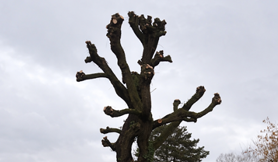
Action:
Established pollard points at 4.5m. Reduced canopy mass by approximately 35%.
After:
Compact framework maintained. Regrowth predictable and structurally controlled. Pathway clear and safe.
Before:
Mature limes overshadowing properties and interfering with street lighting
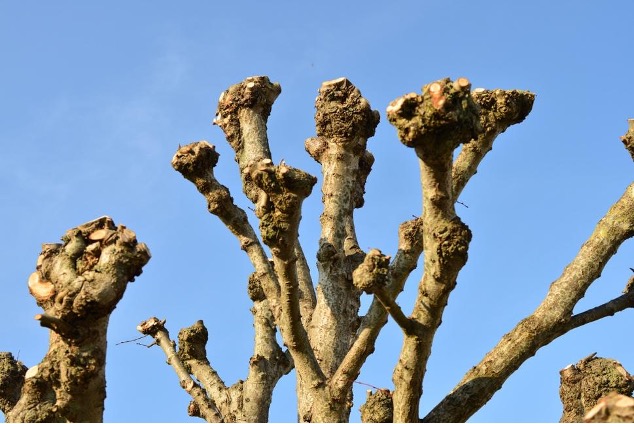
Action:
Reinstated historic pollard cycle at established knuckle points.
After:
Uniform architectural appearance restored. Improved light penetration to properties below.
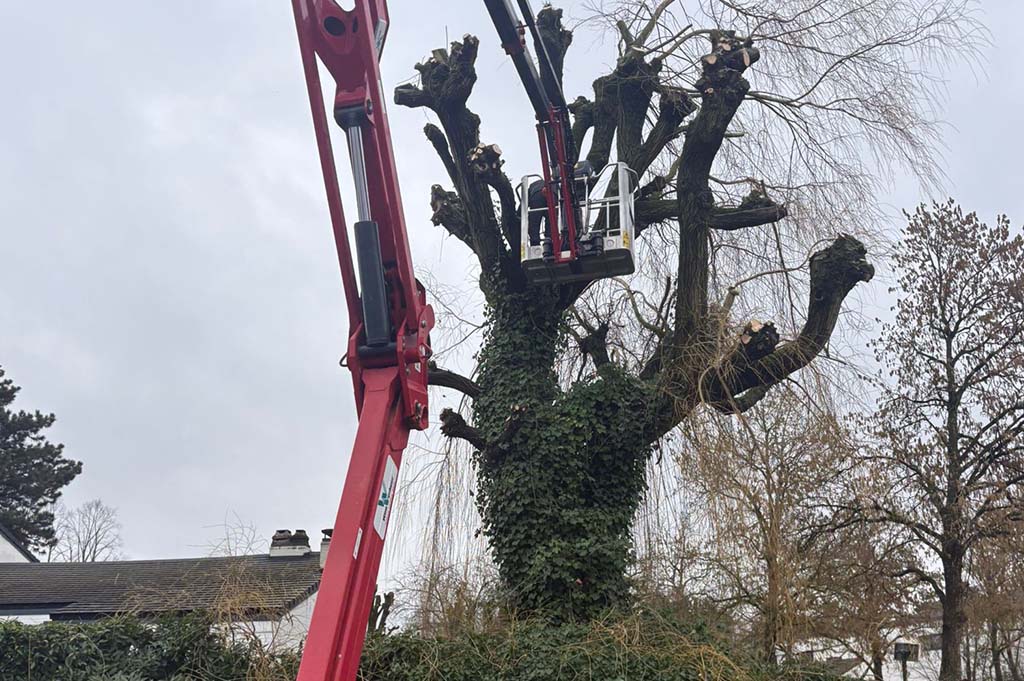
Restricted space requires strict canopy management.
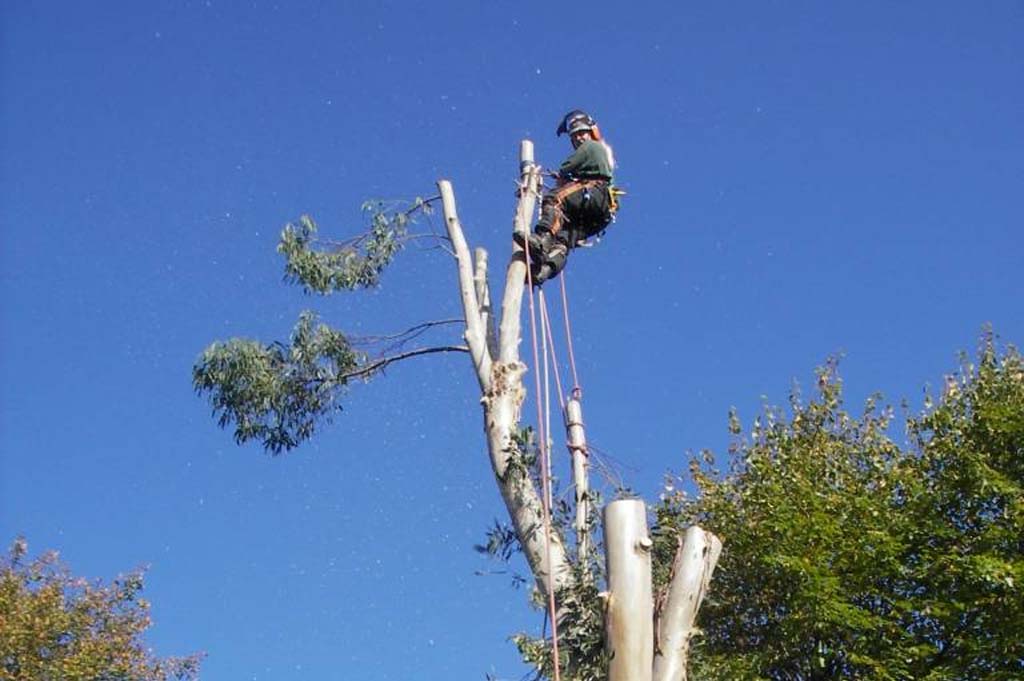
Moist soils promote rapid growth; structured pollarding prevents excessive weight.
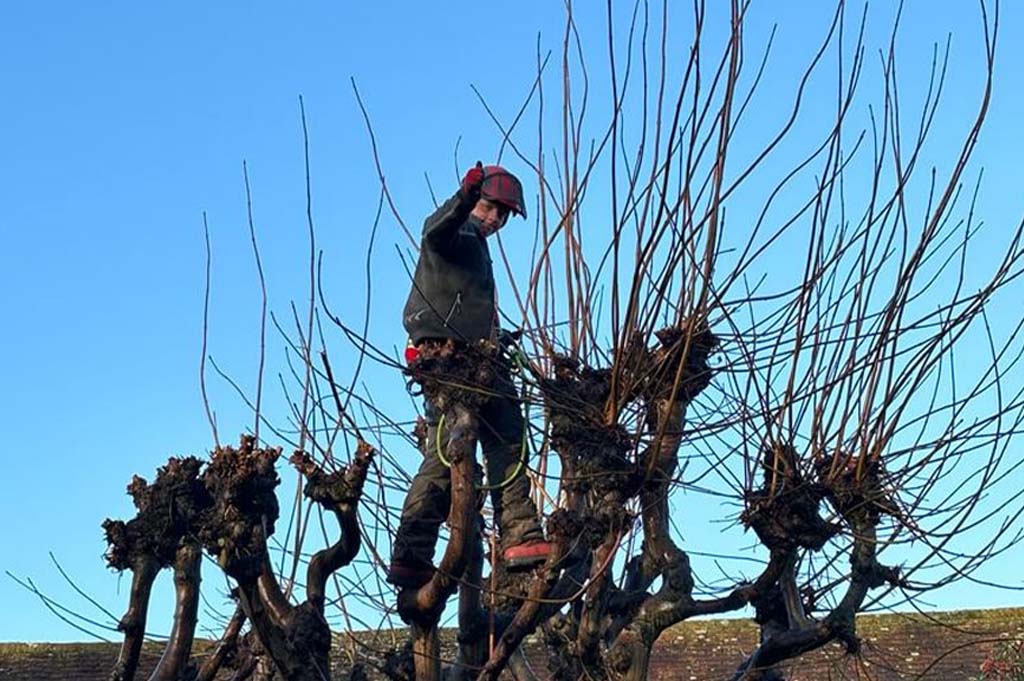
Pollarding protects access routes and agricultural boundaries.
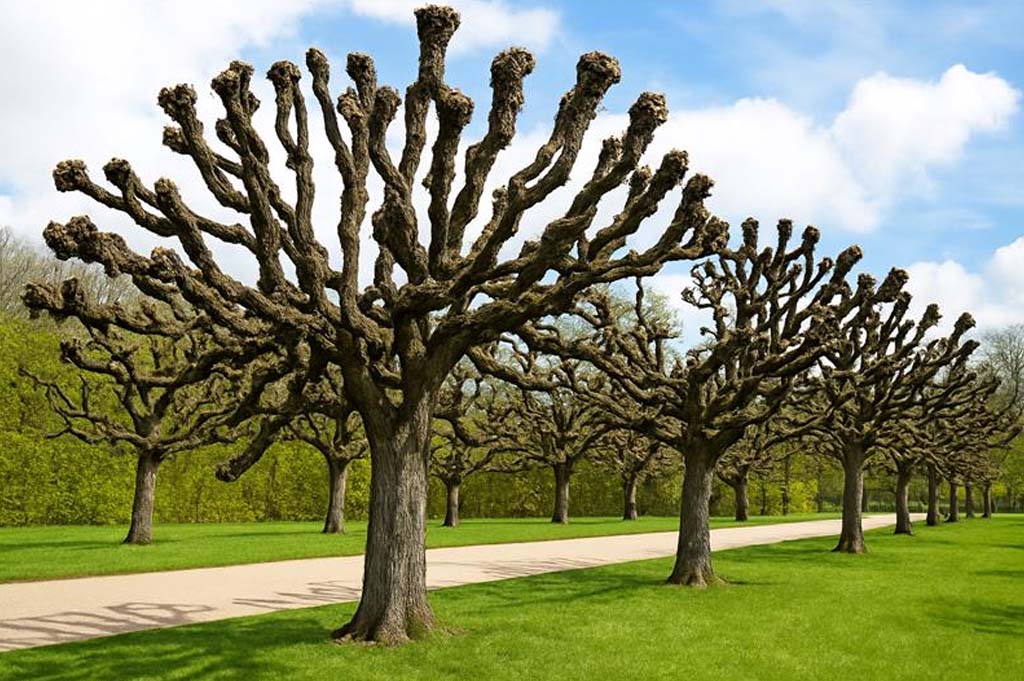
Wind loading makes height control essential for mature specimens.
Local ground and exposure conditions always influence our approach.
Before carrying out tree pollarding in Norfolk, we check:
We comply fully with:
Responsible arboriculture balances safety with environmental care.
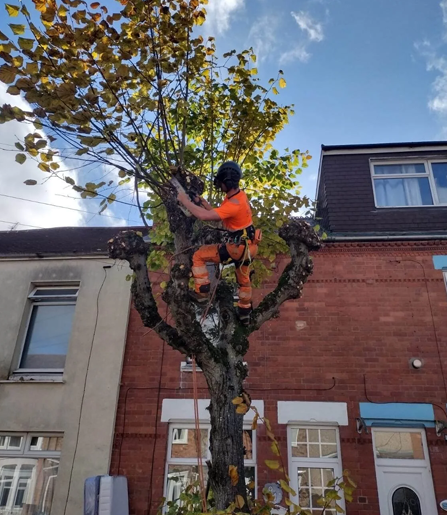
Timing affects wound response and regrowth strength.
Species-specific timing is always considered before scheduling work.
Costs depend on:
We provide transparent written quotations following a site inspection. No hidden charges.
No, when carried out correctly and repeated consistently. Irregular or poorly positioned cuts cause weakness — which is why professional execution matters.
Typically every 1–5 years depending on species and growth rate.
No. Some species respond poorly. We assess suitability before recommending the technique.
Yes. Reducing canopy mass lowers wind resistance and structural strain.
Possibly. Trees within conservation areas or protected by TPO require consent. We can manage the process for you.
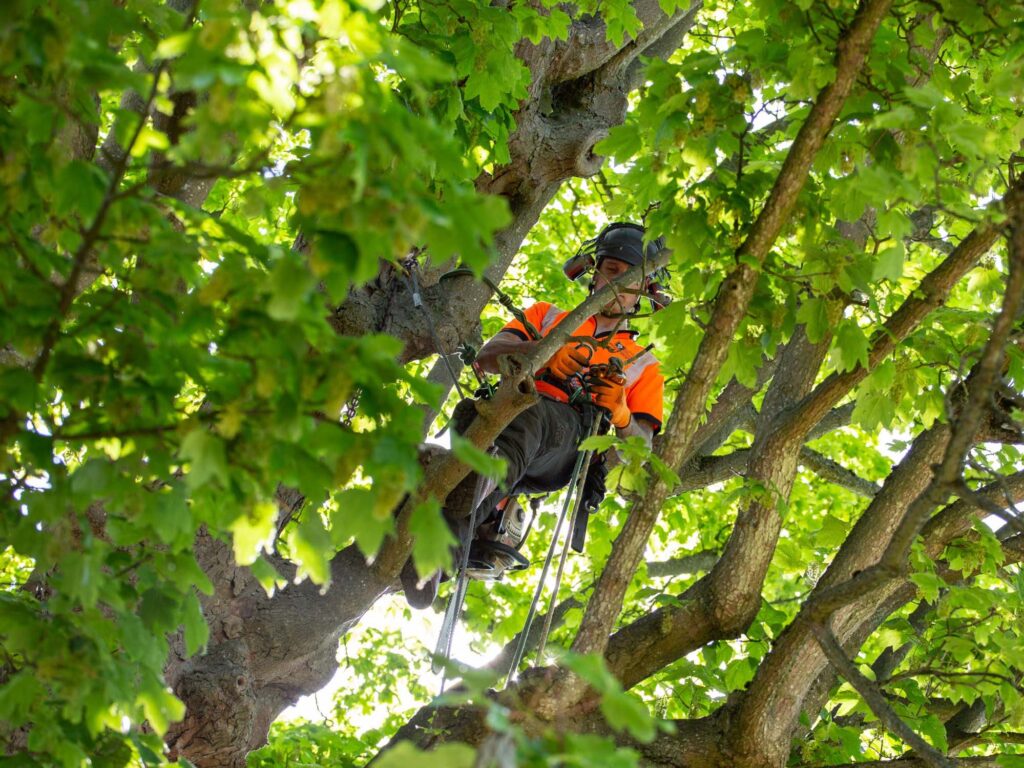
From North Walsham to Attleborough, and from Blofield to Taverham, we provide structured, professional tree pollarding tailored to local conditions.
If your trees require structured size control and long-term canopy management, contact our experienced team today.
We’ll assess suitability, explain your options clearly and carry out safe, compliant tree pollarding in Norfolk that protects both your property and the health of your trees.
Call now to arrange a site visit and professional consultation.
Qualified tree surgeons serving Norwich, Norfolk and surrounding areas. We provide tree felling, crown reduction, pruning, hedge cutting, stump grinding, site clearance, tree surveys and 24/7 emergency tree work. Reliable service, honest pricing and free no-obligation quotes.
Monday – Saturday:
8:00 AM – 6:00 PM
Sunday: Closed
Emergency Services:
24/7