EMERGENCY TREE SERVICES (24/7)

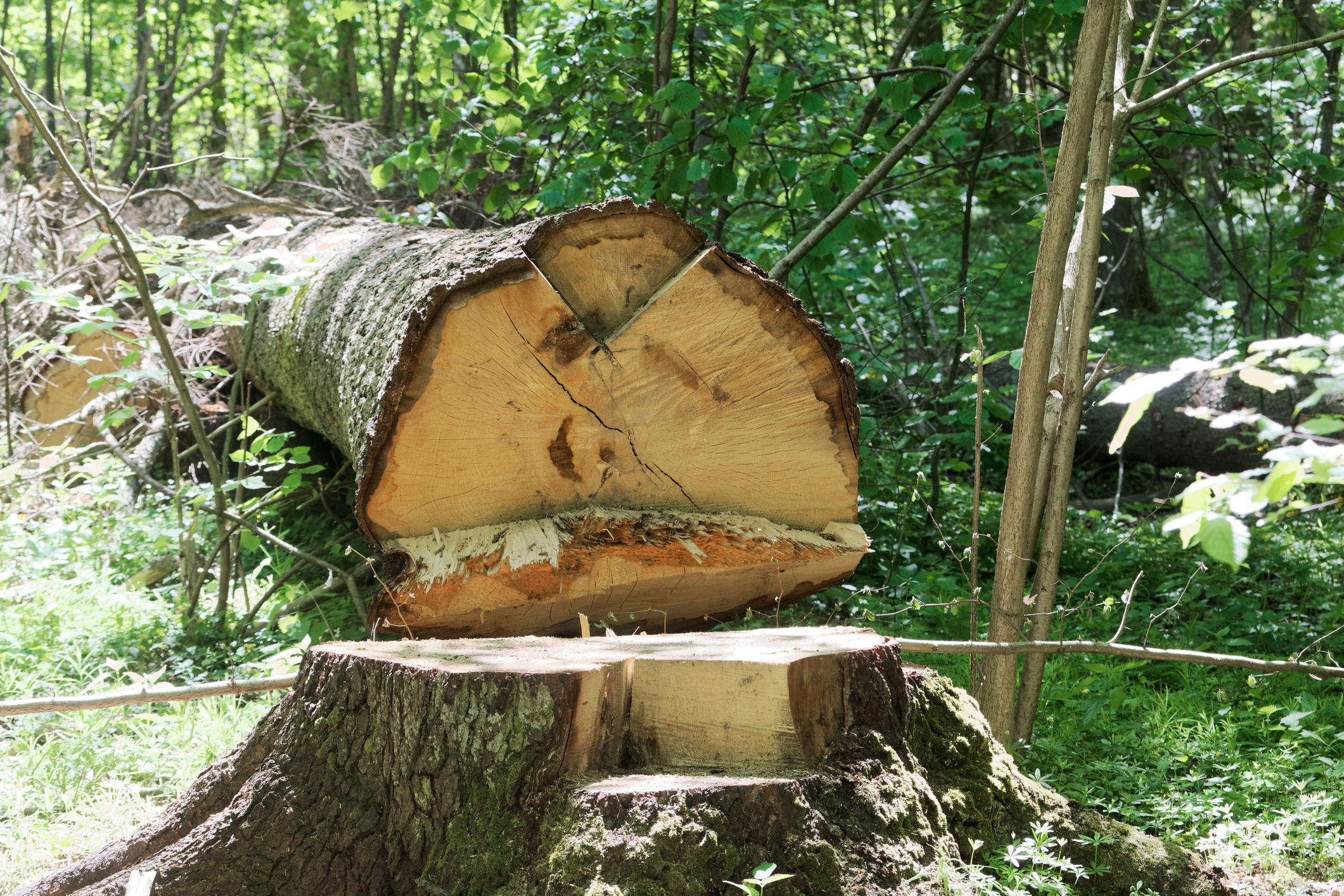
We offer fast, 24/7 emergency call-outs for fallen trees, storm-related damage and dangerous overhanging limbs. Our team responds without delay to secure your property, eliminate immediate hazards and restore safety as quickly as possible.

Fast, Professional Emergency Tree Surgery Across Norwich & Norfolk

When a tree fails without warning, you don’t have time to wait.

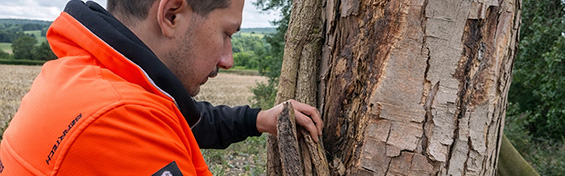
High winds, saturated ground, hidden decay or sudden structural failure can turn a healthy-looking tree into a serious hazard within minutes. Whether it’s a fallen tree blocking your driveway in Wymondham, a split trunk overhanging a conservatory in Thorpe St Andrew, or storm damage along the coast in Sheringham, you need experienced professionals who can make it safe — properly and quickly.

Our emergency tree services in Norfolk operate 24 hours a day. We respond across Norwich and surrounding towns with qualified climbers, specialist equipment and full insurance in place.

We focus on one thing first: making the situation safe.

What Counts as Emergency Tree Work?

Emergency tree surgery is urgent arboricultural work carried out to remove or stabilise a tree that presents an immediate risk to life, property or safety including but not limited to:

This is very different from planned pruning or scheduled tree removal. Emergency work is about urgent risk reduction and controlled stabilisation involving rapid reaction times.

Typical emergency call-outs include:

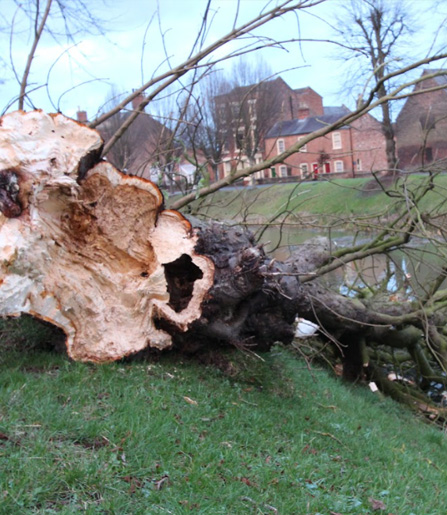
  • Fallen trees blocking roads, utilities or driveways (“windthrow/windblown”)
  • Split or partially failed tree trunks or limbs
  • Storm damaged trees – high winds, heavy rain, lightening
  • Trees affecting or interfering with power lines
  • Trees leaning precariously (“windrocked”)
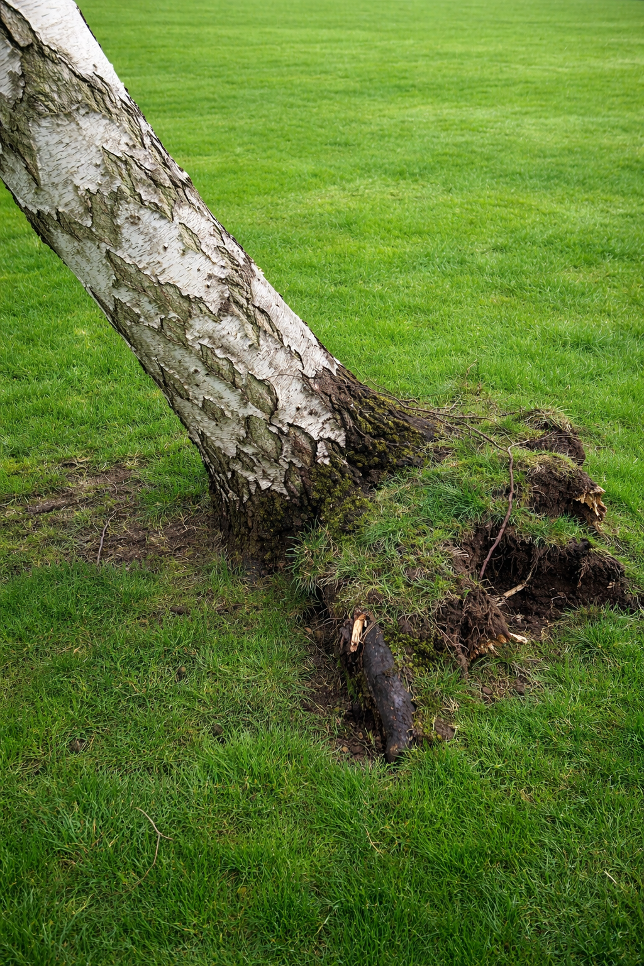
  • Uprooted trees with exposed roots
  • Dangerous hanging limbs (“widowmakers”)
  • Trees damaging property or posing an immediate hazard
  • Storm debris clearance
  • Emergency hedge reduction where collapse restricts access

Across Norfolk’s mix of coastal, rural and riverside ground conditions, tree failure can happen suddenly — particularly after prolonged rainfall followed by strong wind gusts.

Why Emergency Tree Surgery Must Be Done Properly

Tree emergencies are unpredictable. Compression forces, tension loads and unstable root plates make cutting extremely dangerous without adequate training and experience.

1. Protecting Life & Property

A tree leaning at 20 degrees after heavy wind may still be under load. We assess:

Root plate movement (root plate uplift /heave).

The root plate is the mass of roots and soil that anchors a tree.
- During strong winds or soil saturation, the root plate can rotate or lift on the windward side.
- Uplift occurs when anchoring roots fail or soil shear strength is exceeded.
- This is common in windthrow (trees blown over).

Key factor: Soil type, root depth, moisture content, and root spread greatly affect resistance.

Fibre tension

Wood fibres experience tension and compression forces when a tree bends.
- On the side bending away from the wind → tension
- On the opposite side → compression
- If tensile strength is exceeded, fibres begin to separate.

This internal stress distribution is critical in understanding how trees resist bending forces.

Stem fractures

When stress exceeds the structural capacity of the trunk:
- Brittle fracture – sudden snapping (common in decayed or dry wood)
- Ductile failure – progressive cracking before full break
- Often occurs at structural weak points: knots, decay pockets, included bark, previous wounds.

Stem failure can happen without root failure if bending stress concentrates mid-stem.

Weight distribution

A tree’s mass affects leverage and stability.
- Large crowns increase wind drag.
- Asymmetrical canopies create uneven loading.
- Heavy lateral branches increase bending moment at the base.

Pruning alters weight distribution and can reduce mechanical stress.

Anchor points

Anchoring comes from:
- Structural roots (buttress roots)
- Deep sinker roots
- Lateral spreading roots

Strong anchor systems:
- Extend well beyond the crown drip line.
- Develop in firm, well-drained soils.

Weak anchor systems:
- Confined urban planting pits
- Shallow soils
- Compacted or waterlogged ground

Incorrect cutting can cause secondary collapse. Controlled dismantling prevents that scenario.

Weight distribution

A tree’s mass affects leverage and stability.
- Large crowns increase wind drag.
- Asymmetrical canopies create uneven loading.
- Heavy lateral branches increase bending moment at the base.

Pruning alters weight distribution and can reduce mechanical stress.

Anchor points

Anchoring comes from:
- Structural roots (buttress roots)
- Deep sinker roots
- Lateral spreading roots

Strong anchor systems:
- Extend well beyond the crown drip line.
- Develop in firm, well-drained soils.

Weak anchor systems:
- Confined urban planting pits
- Shallow soils
- Compacted or waterlogged ground

Incorrect cutting can cause secondary collapse. Controlled dismantling prevents that scenario.

2. Preventing Further Structural Damage

If a tree is resting on a roof, garage or conservatory, removing weight too quickly can cause sudden impact. We dismantle in sections, reducing load gradually using rigging systems and friction control devices.

3. Restoring Road Safety

After storms, rural roads between Dereham and Attleborough or exposed coastal routes near Cromer often see fallen timber. We prioritise clearance where public safety is at risk.

4. Supporting Insurance Claims

We provide:

  • Written assessments
  • Photographic evidence
  • Waste transfer documentation
  • Method statements when required

This helps support storm damage insurance claims correctly.

When Should You Call an Emergency Tree Surgeon?

Call immediately if you notice:

  • Sudden tree leaning after wind (“mechanically leaning tree”)
  • Soil lifting around the base (“soil plate/soil crack”)
  • Cracks appearing in the trunk
  • Large branches hanging over property
  • A tree resting on a structure
  • Interference with overhead power lines (never approach)

Riverside areas such as Wroxham, Reedham and Horning often experience root instability after prolonged rainfall. Coastal towns like Sheringham and Cromer face additional wind exposure. Early intervention prevents escalation.

How Our Emergency Response Works

1. Immediate Call Handling

We gather key details:

  • Exact location
  • Access restrictions
  • Type of failure
  • Immediate risks

This allows us to dispatch the correct team and equipment first time.

2. On-Site Dynamic Risk Assessment

On arrival, we assess:

  • Lean angle
  • Structural integrity
  • Tension and compression zones
  • Ground stability
  • Proximity to structures

Emergency work requires constant reassessment throughout the job.

3. Controlled Dismantling

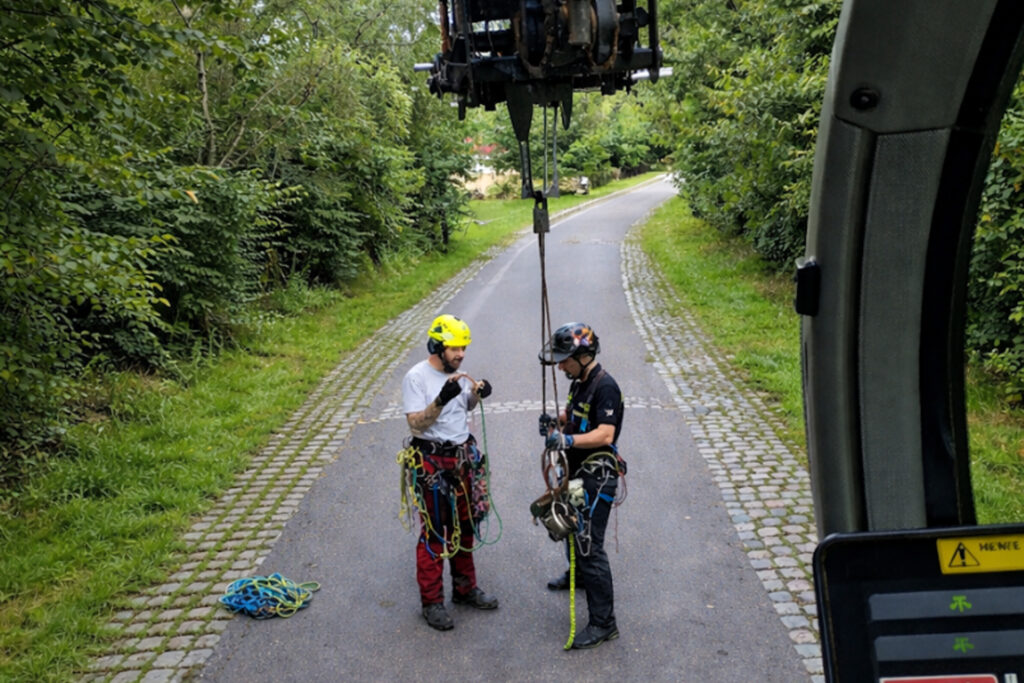
Depending on the situation, we use:

  • Advanced rigging systems
  • Lowering bollards
  • Sectional dismantling techniques
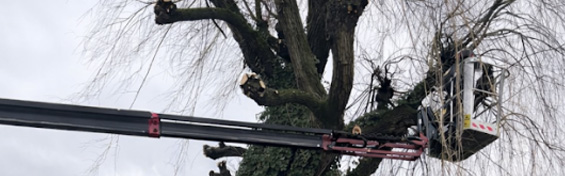
  • MEWP (Mobile Elevated Work Platform) contingent on access
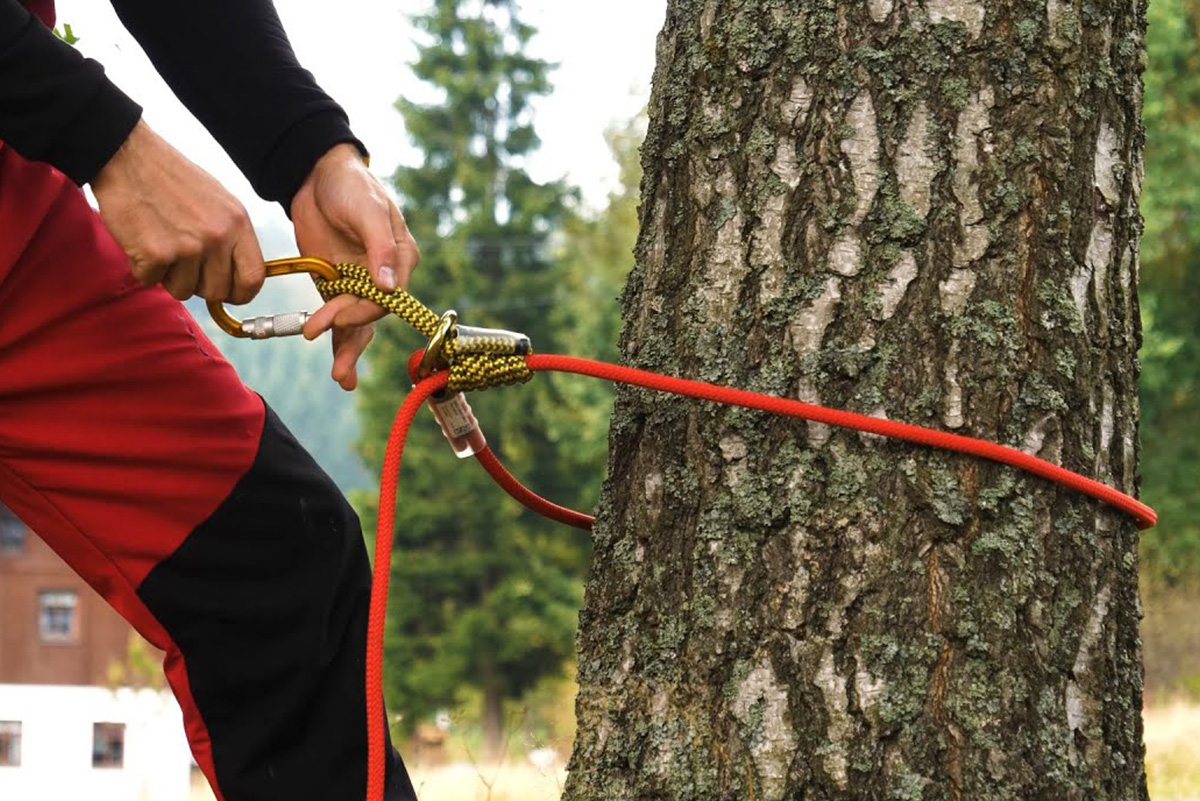
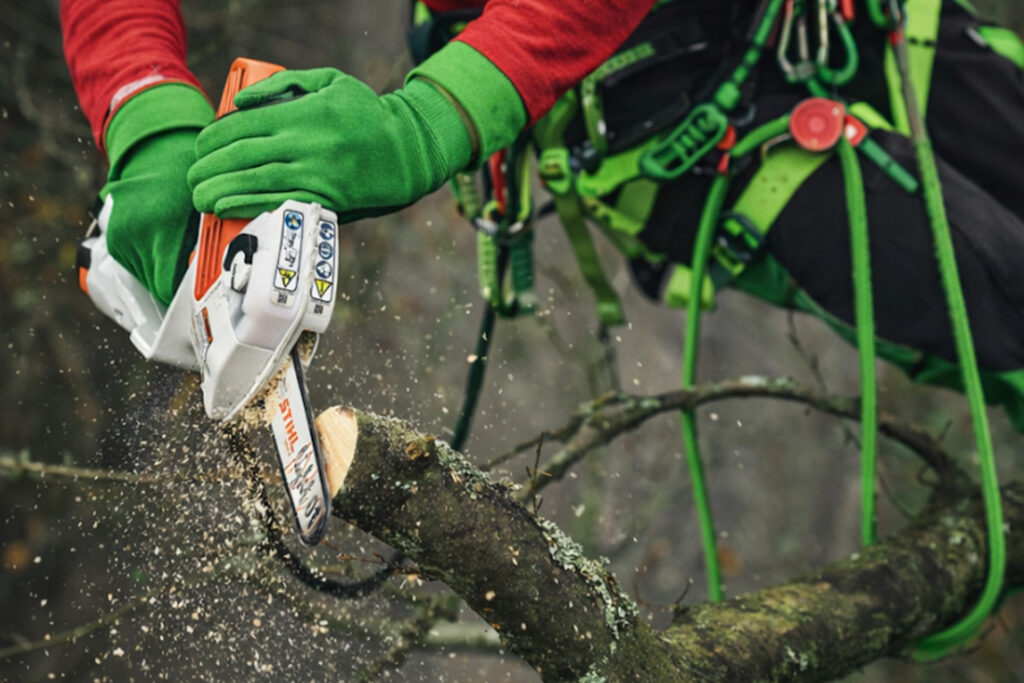
  • Double-rope climbing systems

All work follows BS3998 tree work recommendations.

Over 75% of emergency jobs in built-up areas require sectional dismantling rather than straight felling.

4. Site Clearance & Stabilisation

Once safe:

  • Timber is processed
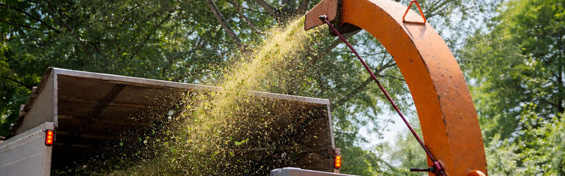
  • Brash is chipped
  • Debris is removed
  • Trip hazards are eliminated

Stump grinding can be carried out where required to prevent further risk.

Equipment Used in Emergency Tree Work

Emergency situations demand the right tools. We operate with:

  • LOLER-inspected climbing harness systems
  • Professional rigging ropes & pulleys
  • Friction lowering devices
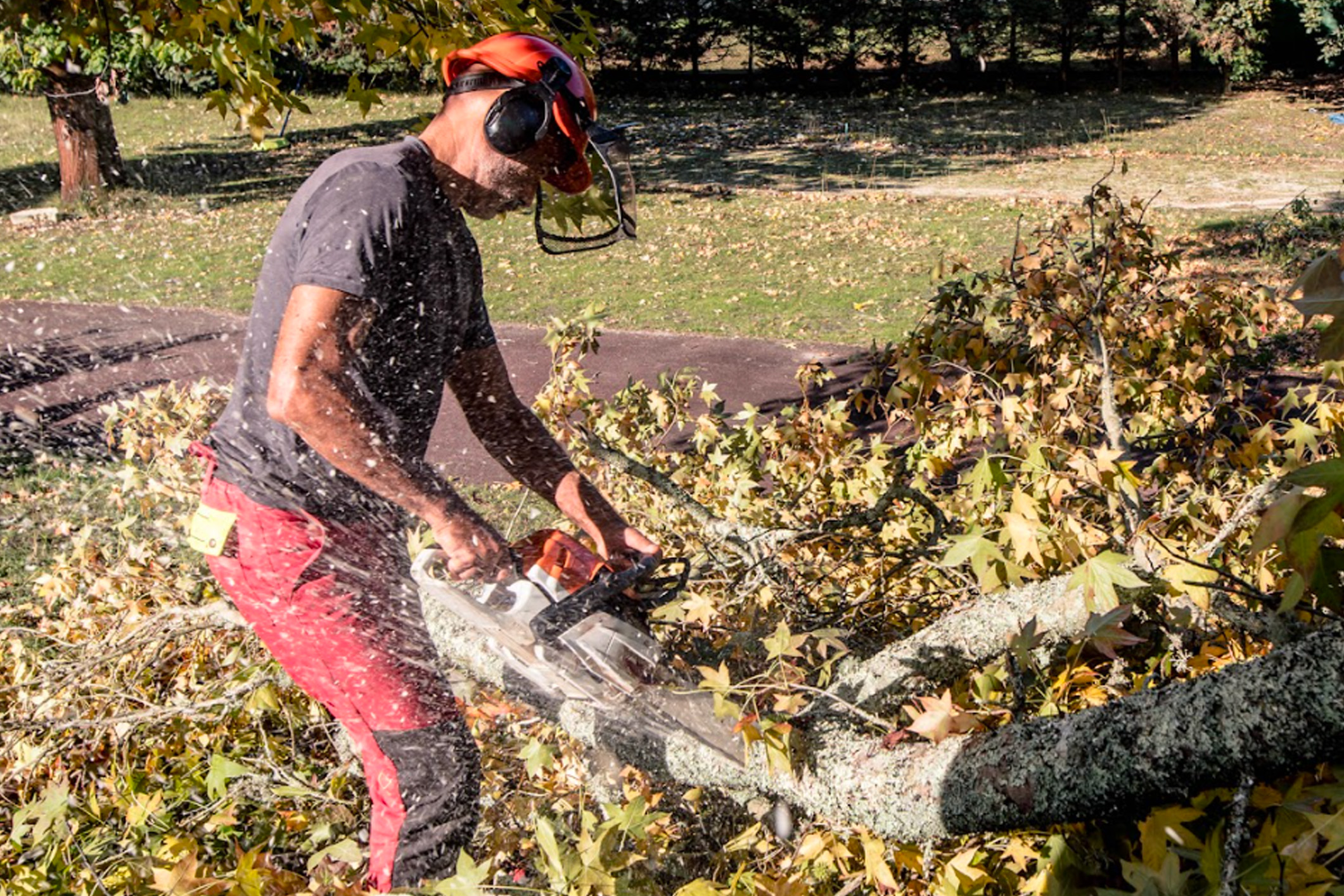
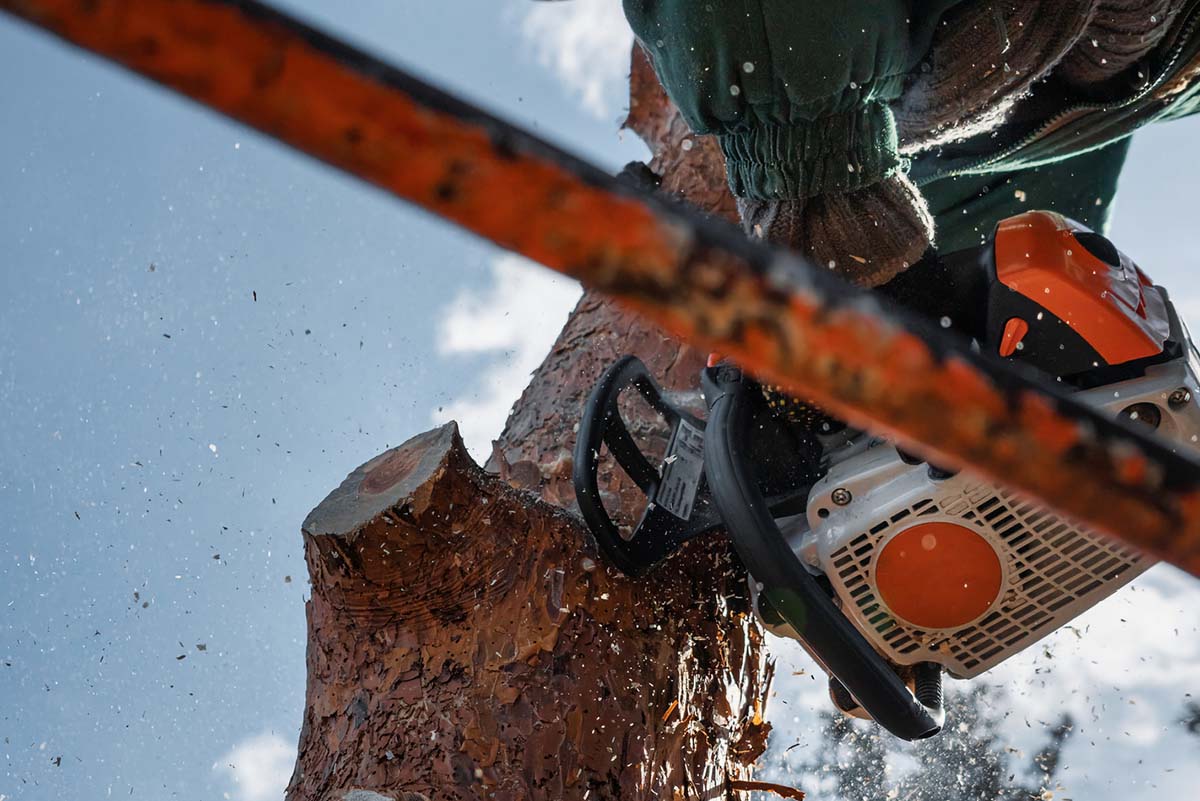
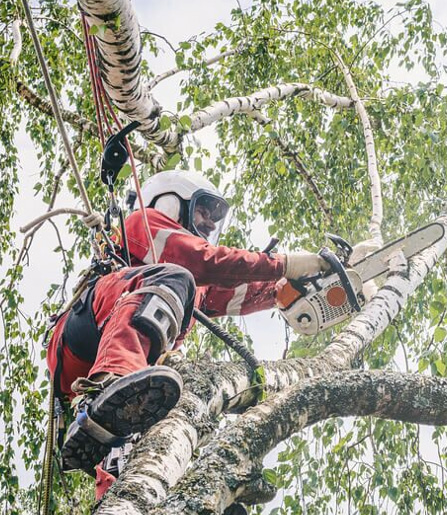
  • Maintained professional chainsaws
  • MEWPs for compromised trees
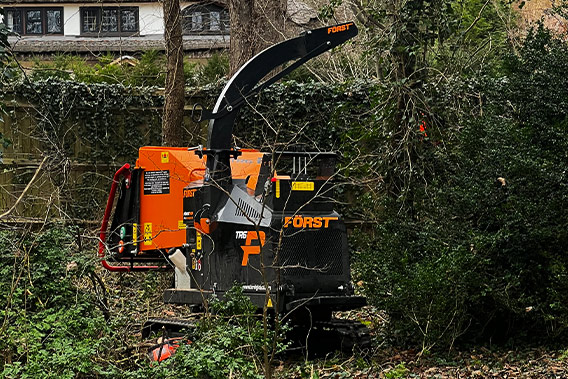
  • Wood chippers for rapid clearance
  • Traffic management signage for roadside operations

All equipment is serviced and inspected in line with LOLER and PUWER regulations.

Common Causes of Tree Emergencies in Norfolk

Norfolk’s landscape presents unique challenges:

  • Coastal wind exposure in Cromer & Sheringham
  • Waterlogged soils around Loddon & Reedham
  • Open farmland wind corridors near North Walsham
  • Clay-heavy ground in Hethersett & Cringleford

Around 40% of emergency call-outs follow prolonged rainfall combined with sudden gusting wind. Saturated soil reduces root anchorage significantly.

Real Emergency Case Examples

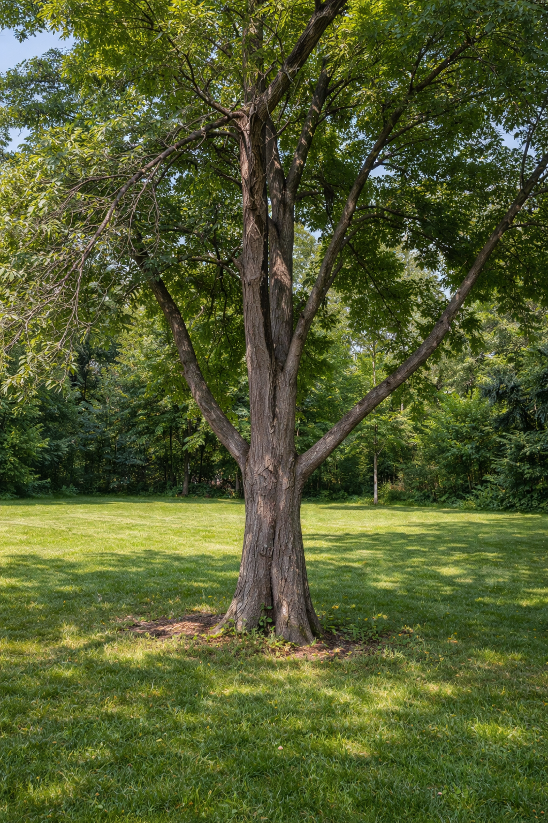
Split Ash Tree – Wymondham

Before:
Mature ash with visible longitudinal trunk crack following 48 hours of high wind.

Action:
MEWP deployed due to structural instability. Crown weight reduced first (approx. 30%).

After:
Hazard removed within one day. Garden undamaged. Site cleared and left safe.

Uprooted Birch – Thorpe St Andrew

Before:
Root plate lifted approximately 300mm after heavy rainfall. Tree partially resting on driveway.

Action:
Rigged dismantle. Weight removed progressively to prevent sudden root collapse.

After:
Driveway fully accessible same afternoon. Stump ground below surface level.

Tree Preservation & Legal Compliance

Many properties in Norwich and surrounding villages fall within conservation areas.

If a tree is protected by a TPO:

  • Emergency safety work may proceed under exemption
  • Full documentation must be retained
  • Local authority may require notification

We manage compliance properly to ensure all work remains lawful.

We operate in accordance with:

  • BS3998
  • BS5837
  • Health & Safety at Work Act
  • LOLER
  • PUWER
  • Registered waste carrier regulations

What’s Legally Relevant for Emergency Tree Surgery

Topic

Key Legal Basis

Applies to

Worker safety

Health & Safety at Work Act 1974 + PUWER + Work at Height Regulations

All emergency tree     surgeons

Competence standards

Lantra emergency treework NOS & BS 3998

Industry expectation and best practice

Tree felling consent

Forestry Act 1967 & exemptions

When and how trees can legally be felled

Tree protection

TPOs & conservation area rules

Legal permissions even in urgent scenarios

Emergency powers

Civil Contingencies Act 2004

Wider emergency management context


Preventing Future Tree Emergencies

While emergency tree services solve immediate risks, prevention reduces long-term issues.

We recommend:

— Annual tree inspections

— Crown thinning to reduce wind resistance (typically 15–25%)

— Early disease detection

— Root zone management

— Formative pruning for young trees

Properties in Drayton, Taverham, Horsford and Poringland benefit significantly from proactive maintenance.

Emergency Tree Services Norfolk – FAQs

How quickly can you attend?

We aim to respond within hours where possible. Severe storms increase demand, but high-risk cases are prioritised.

Yes. Our emergency tree surgeon service in Norwich and Norfolk runs 24 hours a day.

Many policies cover storm-damaged tree removal where insured property is affected. We provide supporting documentation.

Yes. We carry out controlled sectional dismantling to prevent further structural damage.

Yes. All timber and brash is cleared unless requested otherwise.

Why Choose Our Emergency Tree Services in Norfolk?

  • Fully qualified NPTC & LANTRA certified arborists
  • £10 million public liability cover
  • Years of experience
  • 24/7 emergency response
  • MEWP access for high-risk situations
  • Strong local knowledge across Norwich & Norfolk
  • Transparent pricing
  • Excellent safety record

Tree emergencies require calm judgement, technical precision and real experience — not guesswork.

Call Our Emergency Tree Surgeon Now

If you have a dangerous tree situation in Norwich or anywhere across Norfolk, don’t delay.

Contact our emergency tree services team immediately for fast, professional assistance. Whether a fallen tree blocks access in Brundall, high winds threaten property in Hingham, or storm damage affects your home in Costessey or Hoveton, we’re ready to respond.

Call now for immediate emergency tree assistance.

Click to call