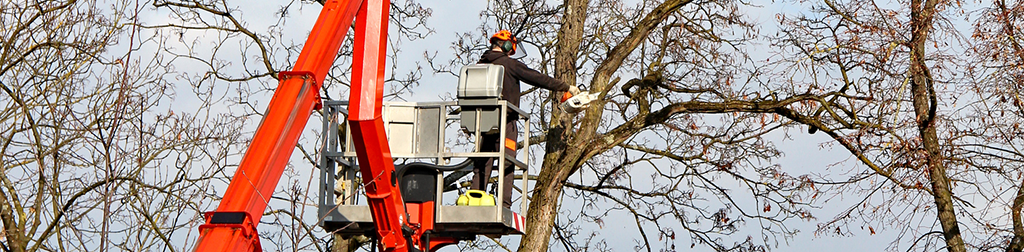
Expert tree maintenance pruning supports overall health, structural safety and natural form by eliminating dangerous, dying or overgrown limbs, while promoting balanced, long-term growth and vitality.
Maintaining healthy trees isn’t just about appearance—it’s about safety, longevity, and property protection. Effective tree pruning and trimming requires trained arborists who understand tree biology, structural growth, and environmental responsibility. Poor pruning can lead to weak branches, disease, and costly hazards.
Our qualified tree surgeons provide expert tree care across Norfolk, including urban, suburban, and rural areas such as Norwich, Wymondham, Aylsham, Attleborough, Cromer, Dereham, and North Walsham. Using industry-standard equipment and approved methods aligned with BS3998, we deliver safe, precise, and environmentally responsible services tailored to your landscape.
Tree pruning and trimming involve the careful removal of branches to:
Pruning typically refers to structural work, formative cuts, or the removal of problematic branches. Trimming is usually lighter shaping to maintain canopy appearance and control size.
Correct pruning strengthens the tree framework, encourages healthy growth, and prevents long-term structural weaknesses. Regular trimming keeps trees neat and prevents interference with buildings, roads, or utilities.
Improve Tree Health
Removing dead, diseased, or damaged branches prevents infection, encourages regeneration, and improves long-term tree vitality.
Enhance Safety
Overgrown or weak branches risk property damage or personal injury. Coastal towns like Cromer and Sheringham benefit from structured pruning to reduce storm-related hazards.
Promote Aesthetic Appeal
Routine trimming maintains a balanced canopy, enhancing gardens, parks, and streetscapes in Wymondham, Eaton, Taverham, and North Walsham.
Support Wildlife
Proper seasonal pruning protects nesting birds and insect habitats while maintaining ecological balance.
Increase Fruit & Flower Production
Pruning directs energy toward healthy shoots, boosting ornamental and fruit-bearing species.
Timing depends on species and objectives:
All work is scheduled to avoid nesting season (March–August) in compliance with wildlife protection laws.
In the UK, plenty of trees cope brilliantly with a good prune — and some actually thrive on it. Deciduous favourites like Hawthorn, Hazel, Hornbeam, Beech, Lime and Willow bounce back strongly thanks to their natural ability to regenerate healthy new growth.
Fruit trees can benefit just as much when pruned at the right time. Apples and Pears respond especially well to careful winter pruning, helping to keep them productive and well-shaped. Cherries, Plums and Walnuts, on the other hand, are better pruned in summer. This helps prevent sap bleeding and reduces the risk of disease, keeping the trees healthier in the long run.
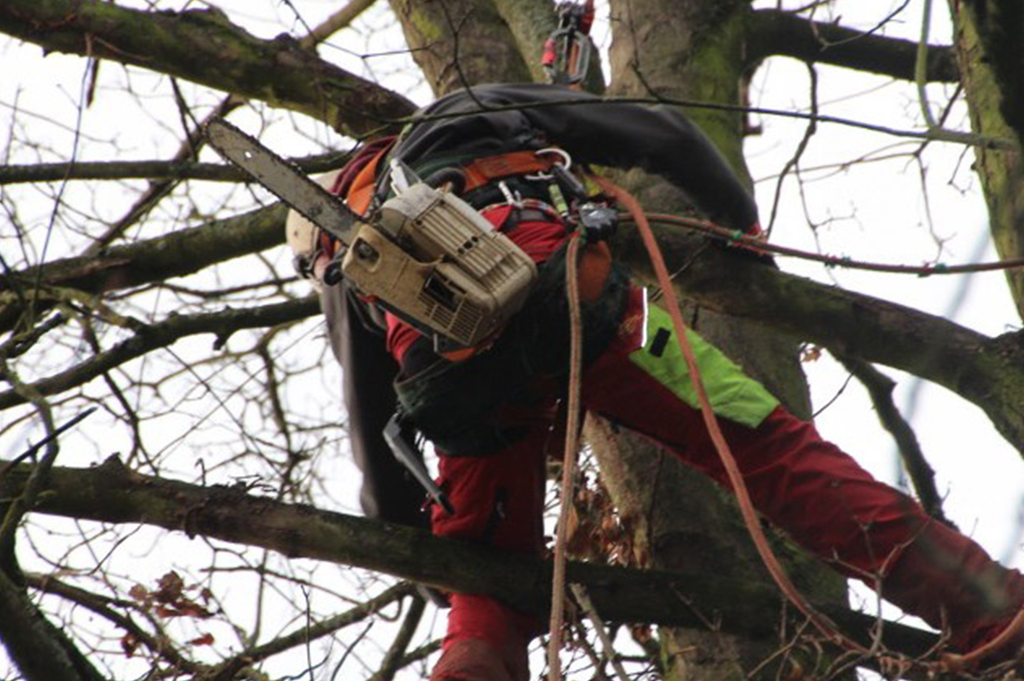
We follow BS3998:2010 standards for safe, effective arboriculture:
We select methods based on tree species, location, canopy size, and desired outcome.
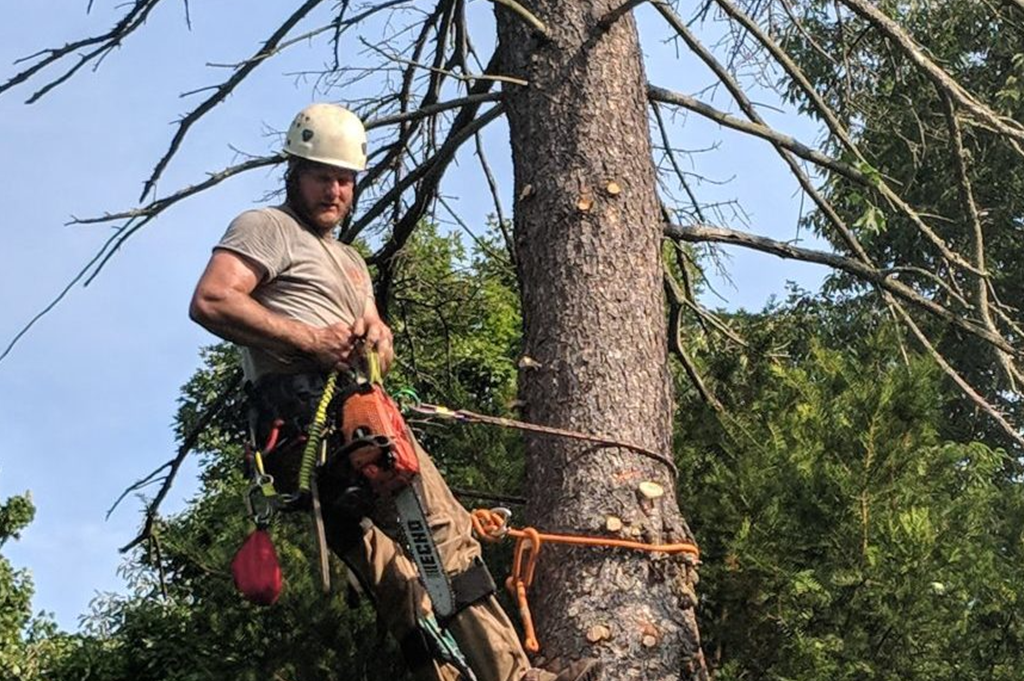
We deliver expert tree care across Norfolk:
Urban Gardens
Norwich, Taverham, Costessey – managing trees near buildings and utilities.
Suburban Areas
Wymondham, Hethersett, Drayton – keeping residential trees safe and visually appealing.
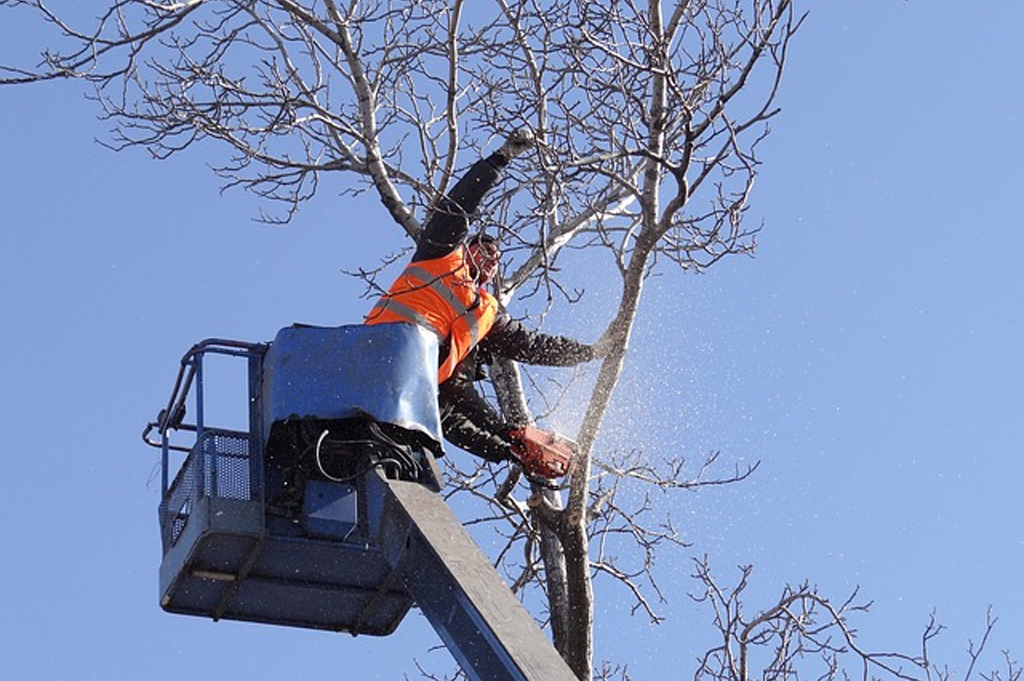
Rural Properties
Attleborough, Aylsham, Dereham – maintaining hedgerows, shelterbelts, and orchard trees.
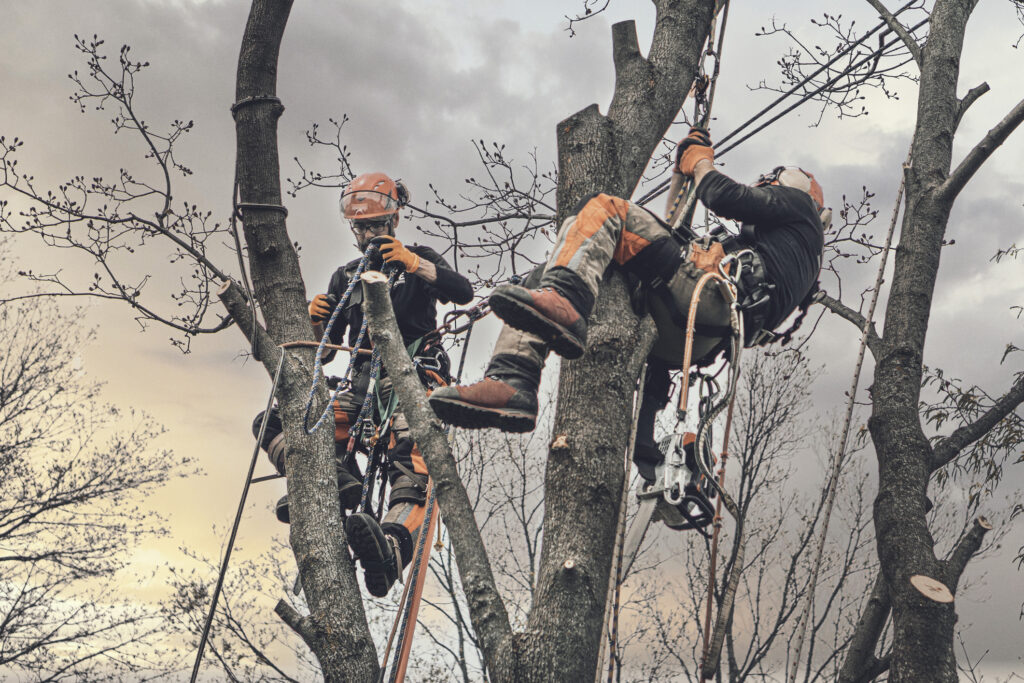
Coastal Locations
Cromer, Sheringham – reducing storm damage risk in wind-exposed areas.
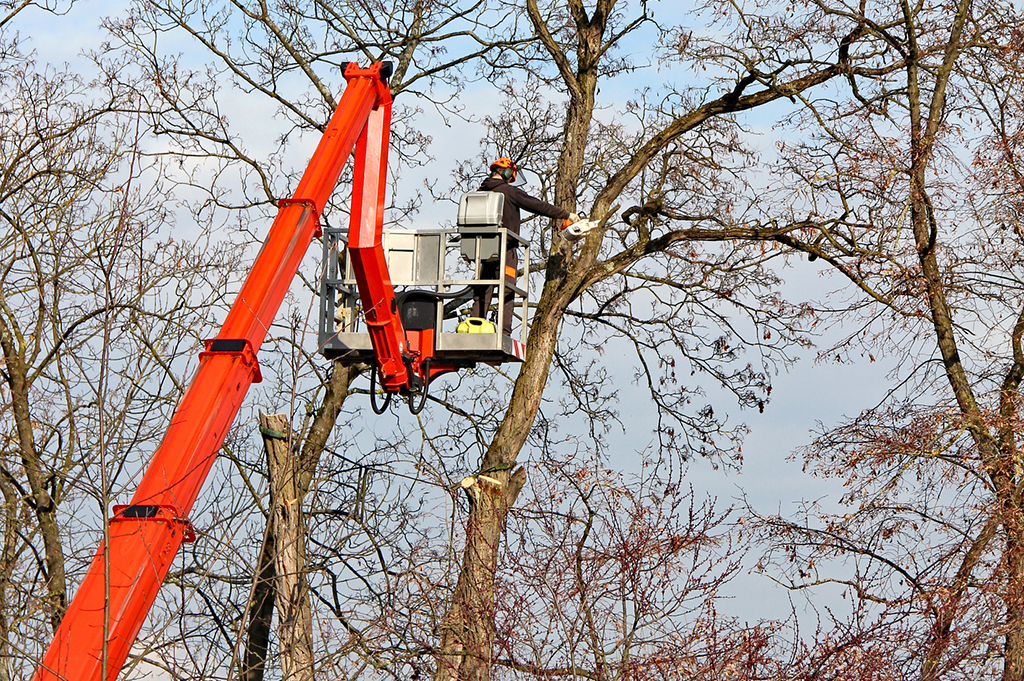
Broads & Riverside
Wroxham, Horning, Loddon – balancing ecological protection with safety.
Our team adapts pruning practices to microclimates, soil types, and seasonal growth.
Regular pruning reduces emergency tree surgery costs by preventing dangerous overgrowth and decay.
Many trees are protected under Tree Preservation Orders (TPOs) or conservation areas (e.g., Norwich, Reepham, Wymondham). Our arborists:
This ensures safe, legal, and responsible tree management.
All work is carried out by trained arborists, ensuring safety and efficiency.
Typically every 1–3 years depending on species, location, and growth rate.
Only if performed incorrectly. Our arborists follow best practices to protect tree health.
Yes. We use sectional dismantling and specialist equipment to work safely in confined areas.
Absolutely. We respond to storm damage and hazardous branches promptly.
Yes. Strategic pruning redirects energy to healthy shoots for better flowering and fruiting.
A crown reduction is a pruning technique that reduces the height and/or spread of a tree’s canopy. It involves carefully cutting back branches to growth points, reshaping the tree while maintaining its structure and health.
It’s usually recommended when a tree has grown too large for its surroundings, is obstructing sunlight or views, or poses a risk to buildings, roads, or power lines. It can also be carried out to reduce wind resistance in exposed locations.
When crown reduction is performed by qualified arborists, and in accordance with BS3998 British Standards, it minimises tree stress and decay risk. However, it must be done correctly — poor techniques can damage the tree’s long-term health.
Crown reduction decreases the overall size of the canopy, while crown thinning removes selected branches throughout to let in more light and reduce wind load without changing the tree’s height or spread significantly
This depends on the tree’s species, growth rate, and condition. Many trees may only need a crown reduction every few years, while others may require more regular maintenance. Our team will assess your tree and recommend a schedule that keeps it healthy and safe.
Yes. All work is insured, BS3998 compliant, and follows Health & Safety regulations.
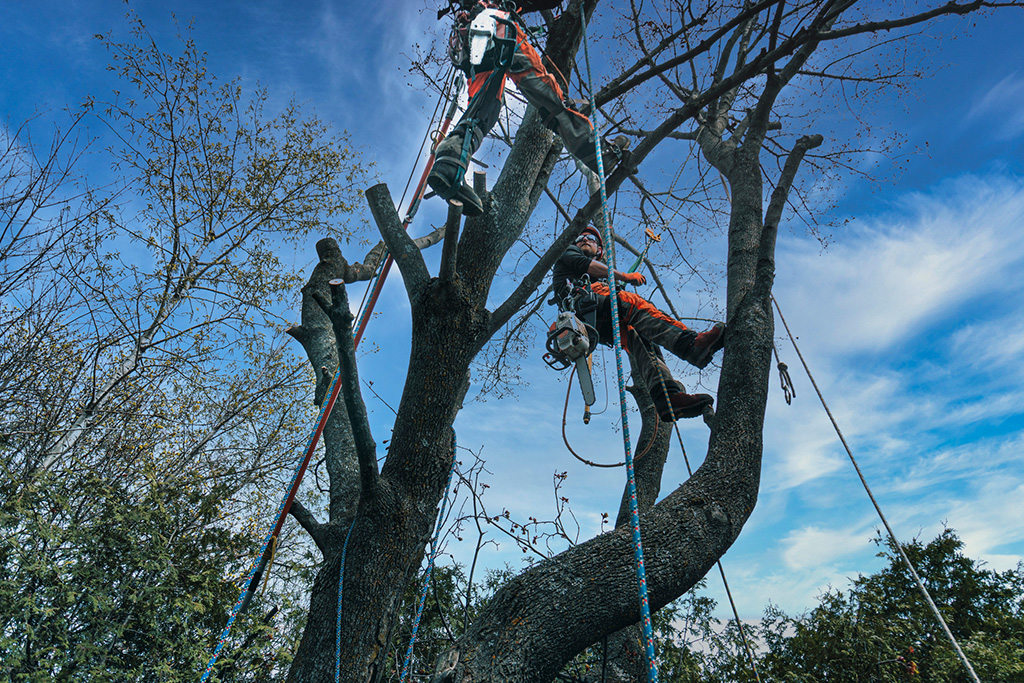
We maintain trees in Norwich, Aylsham, Attleborough, Dereham, Cromer, Wymondham, and surrounding areas, ensuring safety, health, and beauty.
Protect your property, improve tree health, and enhance your landscape. Contact our expert tree surgeons in Norfolk today for a free site assessment, detailed quotation, and personalised tree care plan.
Call now to schedule your tree pruning and trimming service.
Qualified tree surgeons serving Norwich, Norfolk and surrounding areas. We provide tree felling, crown reduction, pruning, hedge cutting, stump grinding, site clearance, tree surveys and 24/7 emergency tree work. Reliable service, honest pricing and free no-obligation quotes.
Monday – Saturday:
8:00 AM – 6:00 PM
Sunday: Closed
Emergency Services:
24/7