If you are searching for emergency tree removal in Norwich, it usually means you are dealing with a situation that cannot wait. Storm-damaged trees, fallen branches, or unstable structures can pose serious risks to your property and safety.
Across Norwich and surrounding areas such as Costessey, Eaton, and Cringleford, emergency tree situations are common, especially during periods of strong winds and heavy rainfall. Acting quickly and safely is essential to prevent further damage.
At Tree Service Norwich, professional teams provide rapid-response emergency tree services, ensuring properties are made safe efficiently and in compliance with safety standards.
What Counts as an Emergency Tree Situation?
Not all tree issues require urgent action, but some situations must be treated as emergencies.
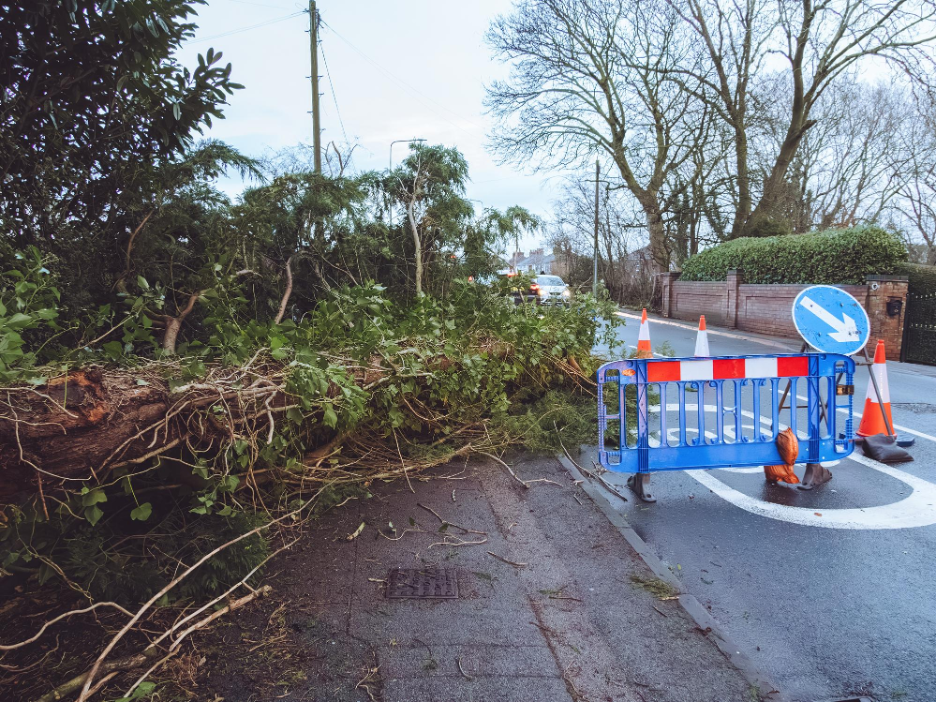
Fallen Trees
A fallen tree can block access, damage property, and create immediate hazards. Even when the tree appears stable, it may still be under tension and unsafe to approach.
In these cases, full clearance may also require follow-up services such as stump grinding Norwich service to completely remove the remains.
Leaning or Uprooted Trees
A tree that has suddenly started leaning is often structurally compromised.
Common warning signs include:
- Soil lifting around the base
- Increased leaning angle
- Cracking sounds from the trunk or roots
Preventative work such as crown reduction Norwich service can often reduce the likelihood of this type of failure.
Hanging or Broken Branches
Broken branches lodged within the tree canopy, often referred to as “hangers or widowmakers,” are highly dangerous and unpredictable. These must be removed using controlled professional techniques.
Trees Near Buildings or Roads
Any tree leaning towards structures, roads, or power lines should be treated as an emergency due to the high risk of damage or injury.
What To Do Immediately
If you encounter an emergency tree situation, follow these steps:
- Stay away from the tree
- Keep people and pets at a safe distance
- Do not attempt to remove or cut the tree yourself
- Contact a professional tree surgeon
- Inform your insurance provider if applicable
Emergency tree work requires trained specialists with the right equipment and experience.
How Emergency Tree Removal Works Norwich
Professional emergency tree removal follows a structured and safety-focused process.
Rapid Response
Teams aim to attend as quickly as possible, often within the same day depending on location and severity.
Risk Assessment
The tree surgeon evaluates:
- Structural stability
- Immediate hazards
- Surrounding environment
- Risk of further collapse
Safety Setup
Before work begins, the area is secured using barriers and exclusion zones. Traffic or pedestrian control may be implemented if required.
Controlled Removal
Depending on the situation, different techniques are used:
Sectional Dismantling
The tree is removed in controlled sections using ropes and rigging systems. This is the most common method in residential areas.
Straight (Directional) Felling
Used when there is sufficient open space and minimal risk to surrounding structures.
Crane-Assisted Removal
Used for large or highly unstable trees where manual dismantling is not safe.
For complete site clearance after removal, additional services such as tree removal Norwich service may be required.
Site Clearance
All debris is removed, and the area is left clean and safe for use. This may include further work such as stump removal if necessary.
Emergency Tree Removal Cost in Norwich
Emergency tree work is generally more expensive than planned maintenance due to urgency and risk.
Typical Price Guide
- Small emergency work: £150 – £500
- Medium complexity jobs: £500 – £1,200
- Large or complex removals: £1,200 – £3,000+
Factors That Affect Cost
- Tree size and condition
- Accessibility
- Equipment required
- Time of callout (day or night)
Planned maintenance services such as tree pruning Norwich service are often more cost-effective compared to emergency work.
Case Example: Emergency Tree Removal in Norwich
A mature tree was severely damaged during a storm and began leaning over a residential driveway.
Work Carried Out
- Emergency attendance within hours
- Full risk assessment
- Controlled sectional dismantling
Result
- Tree safely removed
- Property protected
- Area cleared on the same day
This type of response is typical during storm periods in Norwich.
Why Tree Emergencies Are Common in Norwich
Environmental conditions in Norwich and the wider Norfolk area increase the risk of tree failure.
Key Factors
- Strong coastal winds
- Waterlogged clay soil
- Mature trees in residential areas
- Sudden seasonal storms
These factors combine to make emergency tree situations more likely.
How to Prevent Tree Emergencies
While not all emergencies can be avoided, regular maintenance significantly reduces risk.
Preventative Measures
- Routine tree inspections
- Deadwood removal
- Structural pruning
- Crown reduction
Investing in services like crown thinning and pruning services Norwich helps maintain tree health and reduce future hazards.
Legal Considerations
Before carrying out work in Norwich, legal checks may be required.
Tree Preservation Orders (TPOs)
Emergency work is permitted if the tree poses an immediate danger, but proper documentation must be recorded.
Conservation Areas
Work can proceed in emergencies, but local authorities must be informed afterward.
Professional tree services handle all legal compliance to ensure work is carried out correctly.
Areas Covered
Tree Service Norwich operates across:
- Norwich
- Costessey
- Eaton
- Taverham & Drayton
- Old Catton
- Cringleford
- Sprowston
- Hellesdon
- Thorpe St Andrew
- Wymondham
- Dereham
- Hethersett
Frequently Asked Questions Tree Surgery Norwich
How quickly can emergency tree removal be carried out?
In most cases, same-day response is possible depending on severity and location.
Is emergency tree removal covered by insurance?
Storm-related damage is often covered by home insurance policies.
Can trees near buildings be removed safely?
Yes, using controlled dismantling and professional techniques.
Do I need permission before emergency work?
No, not in urgent situations, but documentation is required afterward.
What qualifies as an emergency tree situation?
Emergency tree removal is necessary when a tree poses an immediate threat to life or property.
- Structural Failure: Trees that have fallen, are uprooted, or have snapped, leaving large broken branches hanging precariously.
- Dangerous Leaning: A tree that has suddenly shifted, developed deep cracks in the trunk, or is leaning over a structure (house, car) or public access road.
- Hazardous Conditions: Trees damaged by storms or wind that are touching power lines or are on the verge of falling.
Can I remove a protected tree in an emergency, and what should I do?
Yes, you can remove a tree protected by a Tree Preservation Order (TPO) or in a conservation area, provided it is dead or presents an immediate danger.
- Action Required: You must prove the exemption applied. Take clear photographs or videos of the damage before it is removed.
- Notification: You should inform the local Council in writing as soon as possible, ideally giving 5 days’ notice, though in absolute emergencies, this can be done immediately after.
- Safety Warning: Never attempt to cut a dangerous tree yourself; contact a professional tree surgeon Norwich to avoid serious injury.
Get Emergency Tree Help in Norwich
If a tree is damaged, unstable, or has already fallen, immediate action is essential. Delaying response can increase risk to property and safety.
Contact Tree Service Norwich today for fast and professional emergency tree removal in Norwich and surrounding areas.